How to Specify Foldable Parking Bollards for Controlled Access
Controlling access to an individual parking bay or a restricted driveway often does not require a large gate system. A well-selected foldable parking bollard can provide a simple, visible boundary while allowing authorized vehicles to enter when needed. The important part is matching the post, locking method and installation to the daily operating conditions.
Define what the bollard must control
Start with the problem: reserving an assigned bay, discouraging unauthorized entry, protecting a loading area or managing access to a private driveway. Record how often the post will be lowered, who will operate it and whether vehicles approach straight on or while turning. A product used several times per day needs convenient operation and a locking arrangement that staff can manage consistently.
Compare round and square post designs
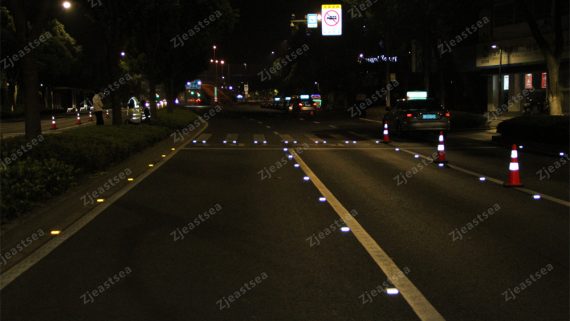
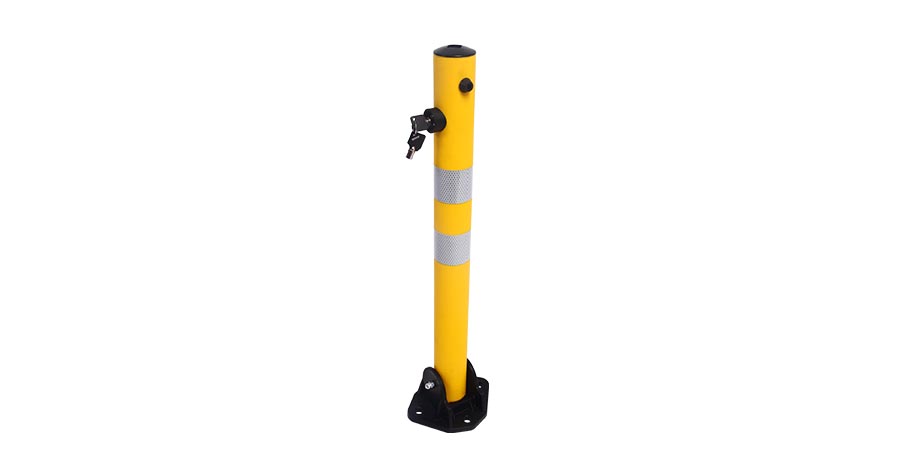
Round- and square-pipe bollards can both create a clear physical and visual boundary. The decision should consider the available mounting footprint, desired appearance, visibility from different approach angles and how the hinge and lock are protected. Bright finishes and reflective bands can improve recognition in dim parking areas, but site lighting and placement remain important.
A fold-down model is intended for controlled access, not as a crash-rated barrier. Buyers should avoid assuming impact performance unless a specific product has documented test evidence for the required application.
Check clearance before choosing the location
Place the bollard where it controls the bay without becoming a tyre trap or a pedestrian trip point when lowered. Check vehicle overhang, turning paths, door-opening zones and drainage. On shared routes, preserve a clear pedestrian path and make sure the raised post is easy to see from both directions.
Installation quality matters
The base must sit on a sound, level substrate. Confirm slab thickness and embedded services before drilling, then use anchors suited to the base material and expected loads. Tighten fixings evenly so the hinge operates without distortion. After installation, test raising, lowering and locking before returning the area to service.
Routine inspections should cover loose anchors, damaged reflective material, corrosion, dirt around the hinge and lock operation. Cleaning the pivot area and correcting loose fixings early helps prevent avoidable operating problems.
Specify the project clearly
EastSea’s Parking Bollard & Lock range includes foldable round- and square-pipe options. For an efficient quotation, provide the application, mounting surface, preferred pipe style, quantity, colour or visibility requirements, locking preference and project destination.
Contact EastSea to discuss a parking access-control project or request product information.