How to Choose Beam Bumpers for Warehouse Rack Protection
Warehouse rack damage often starts with a low-speed contact that looks minor: a pallet jack clips a beam, a forklift turns too tightly, or a load brushes a rack face. Repeated impacts can deform equipment, interrupt picking operations and create avoidable repair work. A beam bumper adds a visible, replaceable layer at the point where contact is most likely.
Start with the actual contact zone
Walk the aisle and record where trucks, pallets and handling equipment are making contact. A bumper fitted to the wrong height may leave the vulnerable section exposed. Also check aisle width, turning paths and the clearance needed for normal pallet movement. Protection should reduce damage without creating a new snag point.
Match the profile to the rack beam
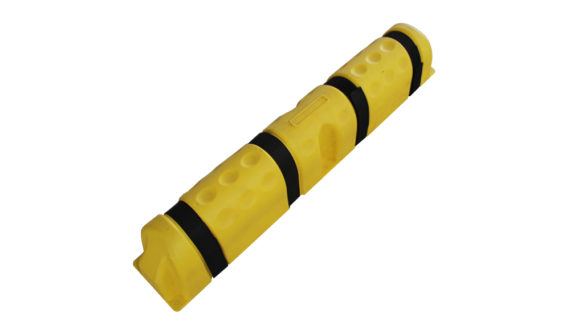
Measure the beam width, height and usable mounting length before ordering. The protector should sit securely without interfering with connectors, labels or load placement. EastSea’s BS-NDB-3 Beam Bumper 20 CM is specified at 900 × 200 × 200 mm, weighs 3.5 kg and is intended for a 200 mm wide beam. Related 10 cm and 15 cm versions are available for different profiles.
Consider material and attachment method
A resilient polymer body can absorb routine contact and recover its shape, while a high-visibility colour helps operators recognise the protected area. The BS-NDB-3 uses a hook-and-loop fastening arrangement, allowing tool-free installation and removal. For procurement teams, attachment method matters because it affects installation time, inspection access and replacement cost across a large facility.
Install consistently and inspect after impacts
Clean the mounting surface, position each bumper at the confirmed strike height and verify that the fastening is fully engaged. After installation, check clearance with the actual handling equipment used on site. Include the bumpers in routine rack inspections: look for displacement, cuts, permanent deformation or loose fasteners after a reported impact.
Specify for the operating environment
Share beam dimensions, aisle layout, equipment type, expected contact direction and site conditions with the supplier. This makes it easier to select the correct profile and quantity instead of treating every rack location as identical.
If you are planning rack protection for a warehouse or material-handling facility, contact EastSea with your beam dimensions and application details for a practical product recommendation and quotation.