How to Plan Retractable Stanchion Layouts for Safer Queues and Access Control
Retractable stanchions are often treated as simple queue accessories, but the layout determines whether people understand the route, emergency access stays clear and staff can adapt the area quickly. For airports, venues, retail entrances, factories and temporary sites, a well-planned barrier system can improve flow without creating a permanent obstruction.
Start with people flow and decision points
Map entrances, service counters, inspection points, exits and routes used by staff or equipment. Place the first stanchion where visitors naturally decide where to go, and keep turns broad enough for luggage, carts and mobility devices. Avoid layouts that lead people toward a closed end or force them to cross an active work route.
Choose spacing around the belt length
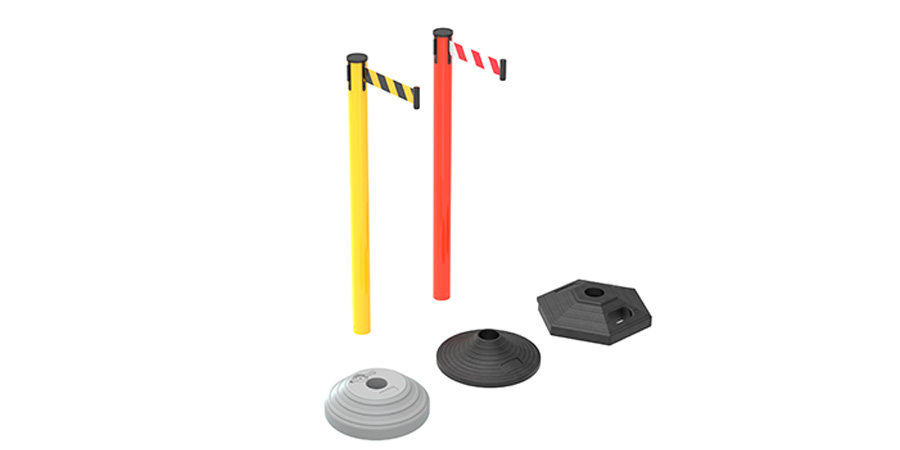
Measure the intended lane rather than stretching every belt to its limit. Some reserve length makes repositioning easier and reduces tension on the cassette. EastSea’s retractable stanchion range uses a 3 m belt with a 65 mm diameter post and 1000 mm post height. Consistent spacing helps the barrier read as one continuous system.
Match the base to the operating environment
The BS-PRBB-7 uses a water-filled base listed at 1.0 kg before filling, while BS-PRBB-8 uses a 6.0 kg rubber base. BS-PRBB-9 adds wheels to a 6.0 kg rubber base for easier repositioning. All three list a 350 mm wide, 80 mm high base. Consider stability, floor protection, relocation frequency, storage and the effort required for staff to move each unit.
Plan visibility and messages
Belt colour and contrast should make the boundary easy to recognise. Use signs at the start of a queue, at route changes and where access conditions apply. Keep the message short and position it where people can read it before they reach the decision point.
Inspect and reset the layout
Before opening the area, check that belts retract smoothly, connectors lock correctly and bases sit flat. During use, look for moved posts, twisted belts and blocked exits. When demand changes, reset the complete lane rather than adding isolated posts that make the route harder to understand.
Send EastSea your floor plan, expected queue length, operating environment and relocation needs. Contact EastSea for a practical model recommendation, quantity plan and quotation.