How to Specify Solar LED Warning Units for Anti-Crushing Systems
Roadside protection equipment is easiest to understand in daylight. At night, in rain or during a temporary traffic change, drivers need earlier visual guidance. A solar LED warning unit can add an active point of light to an anti-crushing barrel or cushion system without requiring a fixed power connection, but the unit still has to be selected and positioned as part of the complete layout.
Start with the hazard and the driver’s approach
Before comparing products, document what the device must make visible. Typical locations include the nose of a traffic split, the end of a barrier line, a parking-area transition or a temporary work-zone buffer. Review the approach direction, vehicle speed, road curvature, nearby lighting and possible visual clutter. A bright device placed behind another object or outside the driver’s natural sightline will not provide the intended warning.
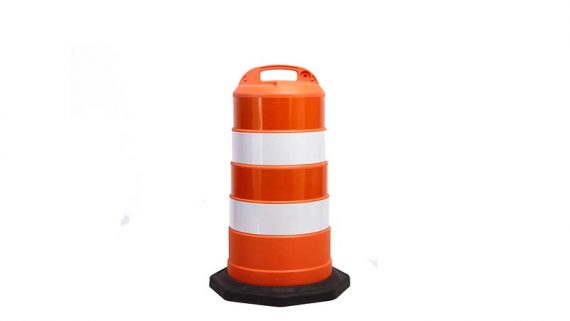
The LED unit should support the passive elements of the layout—reflective surfaces, barrels, cushions, signs and channelizing devices—not replace them. The complete arrangement should give road users a clear and consistent path from the first point of detection through the protected area.
Compare the practical specification
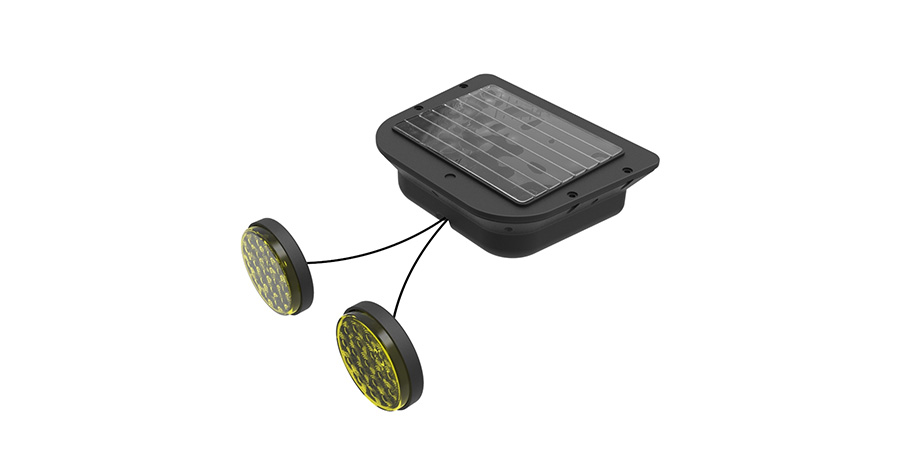
EastSea’s Anti-Crushing System Solar Panel and LED Lights, model DH-SWB-10-LED, has a listed size of 200 × 200 × 100 mm and uses yellow LEDs. Those dimensions help buyers check mounting space, package quantities and compatibility with the selected anti-crushing assembly. For any project, also confirm the mounting interface, flash pattern, operating time after charging and environmental protection required for the site.
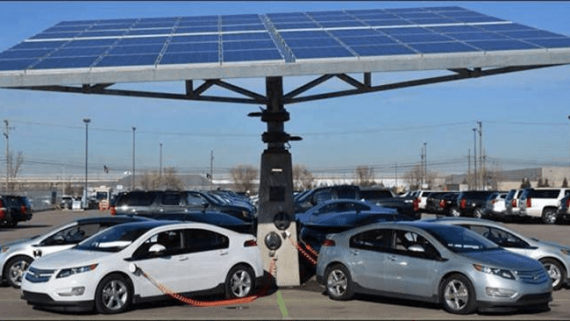
Solar performance depends on the installation. Check for shade from bridges, signs, trees or buildings during the charging period. In areas with short winter days or frequent overcast weather, discuss the expected operating cycle and battery reserve with the supplier rather than assuming that every solar unit will behave the same way.
Plan placement as a system
Mount the light where it can be seen on the approach but does not create a protruding hazard or interfere with the energy-absorbing function of the equipment. Keep the solar panel oriented toward useful sunlight and away from surfaces that collect heavy spray or debris. If several lights are used, maintain a consistent visual rhythm so that the warning is easy to interpret.
Project drawings should identify the exact device location, orientation and attachment method. This prevents installers from improvising on site and makes later inspection more reliable. Where local road authority rules apply, the complete design and installation should be reviewed against those project requirements.
Include maintenance in the purchase decision
Solar warning equipment is low-wiring, not maintenance-free. Build a simple inspection routine around lens cleanliness, panel cleanliness, mounting security, battery condition and nighttime operation. Inspect after an impact, severe weather or a change to nearby construction. Dust, road film and snow can reduce both charging and light output even when the unit is otherwise undamaged.
For distributors and contractors, it is useful to keep a small number of compatible replacement units and mounting parts with the site’s other traffic-safety spares. Recording the installation date and inspection findings also helps teams identify batteries or fixtures that are approaching replacement.
Prepare a clearer quotation request
A useful enquiry includes the application, quantity, installation location, required operating hours, available sunlight, mounting surface and photos or drawings of the anti-crushing system. This information allows the supplier to review fit and use conditions instead of quoting a light in isolation.
EastSea can help B2B buyers compare the solar LED unit with the related anti-crushing barrel and cushion products. Contact EastSea with your layout, quantities and destination so the team can prepare a project-specific recommendation and quotation.